Cerebrolysin
Cerebrolysin (Brain-Derived Peptide Preparation)
Neurotrophic peptide mixture with 50+ years of clinical use
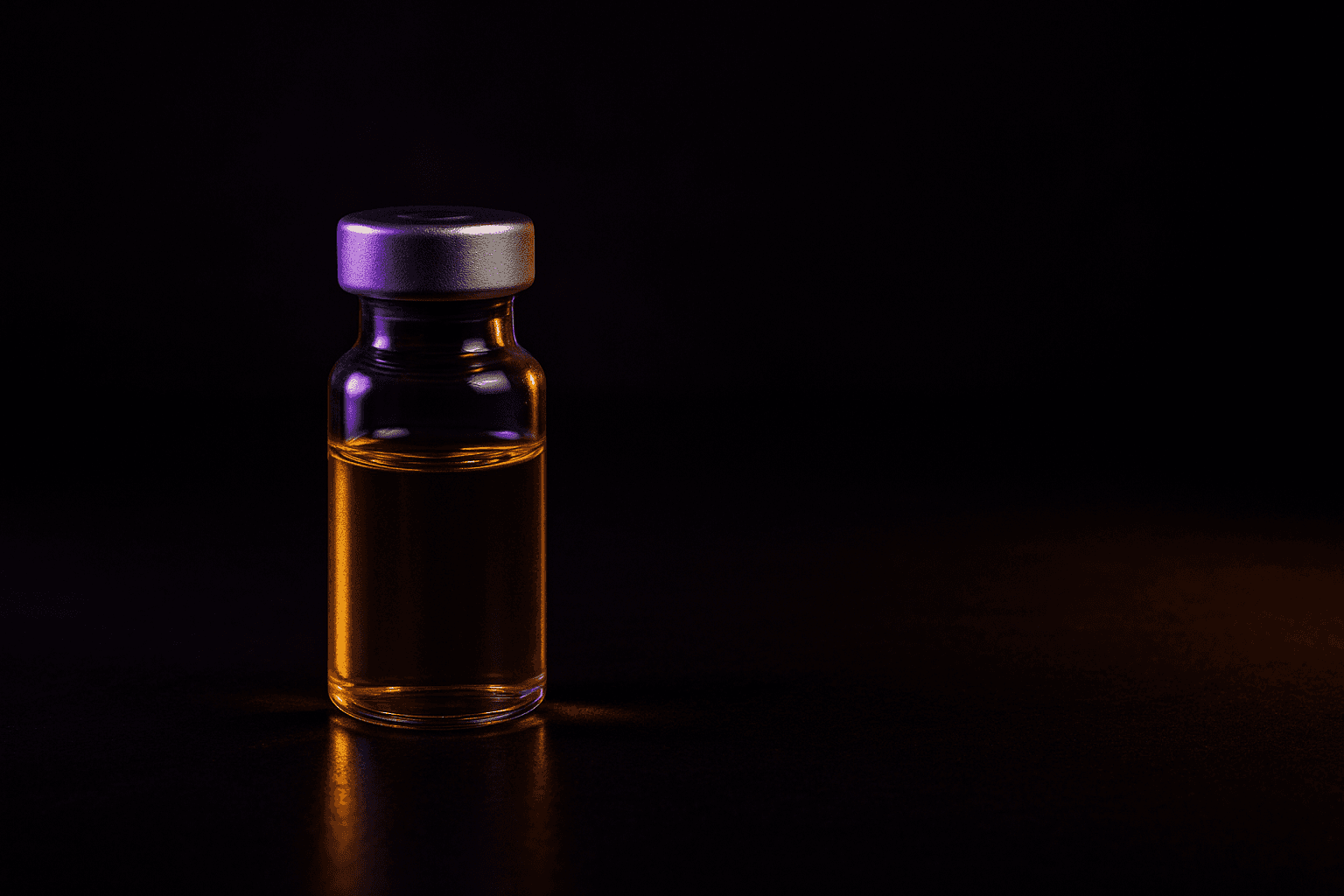
Cerebrolysin is a porcine brain-derived peptide preparation used clinically worldwide for stroke, dementia, and traumatic brain injury. Approved in 40+ countries.
Admin routes
Intramuscular, Intravenous
Popularity
Medium
Side effects
Monitor closely
AU vendors
0 rated
✓Key benefits
📈What to expect
Improved alertness and cognitive function
Enhanced neural plasticity and memory
Full treatment course benefits realised
Benefits persist; repeat courses as indicated
Based on community reports and published research. Individual results vary significantly.
💊Dosing protocols
Cognitive enhancement (IM)
5 mL (215.2 mg)
Once daily
10–20 day courses, repeated
Stroke recovery (IV)
10–50 mL in saline
Once daily
10–21 days
Dosing information is sourced from published research and community protocols. This is not a recommendation. Consult a healthcare professional.
Research status|200+ clinical trials - approved in 40+ countries
Overview
Cerebrolysin is a preparation of low-molecular-weight neuropeptides and free amino acids derived from porcine brain tissue. It has been used clinically for over 50 years and is approved in more than 40 countries (not including the US or Australia) for Alzheimer's disease, stroke, and traumatic brain injury. It is one of the most extensively studied neuroprotective agents, with over 200 clinical trials.
⚙️How it works
Contains a mixture of neurotrophic peptides that mimic the action of naturally occurring nerve growth factors (NGF, BDNF, CNTF). These peptides cross the blood-brain barrier and promote neuronal survival, neurite outgrowth, synaptic plasticity, and neurogenesis. The preparation also reduces neuroinflammation and protects neurons from excitotoxicity.
⚡Side effects
📅Research history
Developed by EVER Pharma (formerly Ebewe Pharma) in Austria
Approved for clinical use in Europe and Asia
200+ clinical trials published
Large-scale Alzheimer's trial results published
Remains widely used in Europe, Asia, and South America
Evidence base
Cerebrolysin has been studied in 200+ clinical trials, including several large randomised controlled trials. A Cochrane review noted that while some trials show benefit for Alzheimer's disease, the overall evidence quality is mixed. European and Asian neurological guidelines include it as an option for stroke recovery. It is not FDA-approved and not available through standard channels in the US or Australia.
References
- [1]Allegri RF, et al. 'Cerebrolysin improves symptoms and delays progression in patients with Alzheimer's disease and vascular dementia.' Drugs Today, 2012.
- [2]Bornstein NM, et al. 'Cerebrolysin in acute ischemic stroke.' Journal of the Neurological Sciences, 2018.
Frequently asked questions
Related peptides
Community experiences
Share your experience with Cerebrolysin. Effects, side effects, protocol details - help others make informed decisions.
No community reviews yet. Be the first to share your experience with Cerebrolysin.
Need to calculate your dose?
Use our free reconstitution calculator to work out syringe units for Cerebrolysin.
Open CalculatorDisclaimer: This guide is for educational and informational purposes only. It is not medical advice. The dosing protocols listed are sourced from published research and community reports and do not constitute a recommendation. Always consult a qualified healthcare professional before using any peptide. Australian regulations classify many peptides as Schedule 4 (prescription-only) substances. Check current TGA guidelines before purchasing.